Discover
Material literacy, safe tool use and sustained making in schools, communities and public programs.
A continuous pathway from material literacy to advanced practice, productive work, teaching and succession.
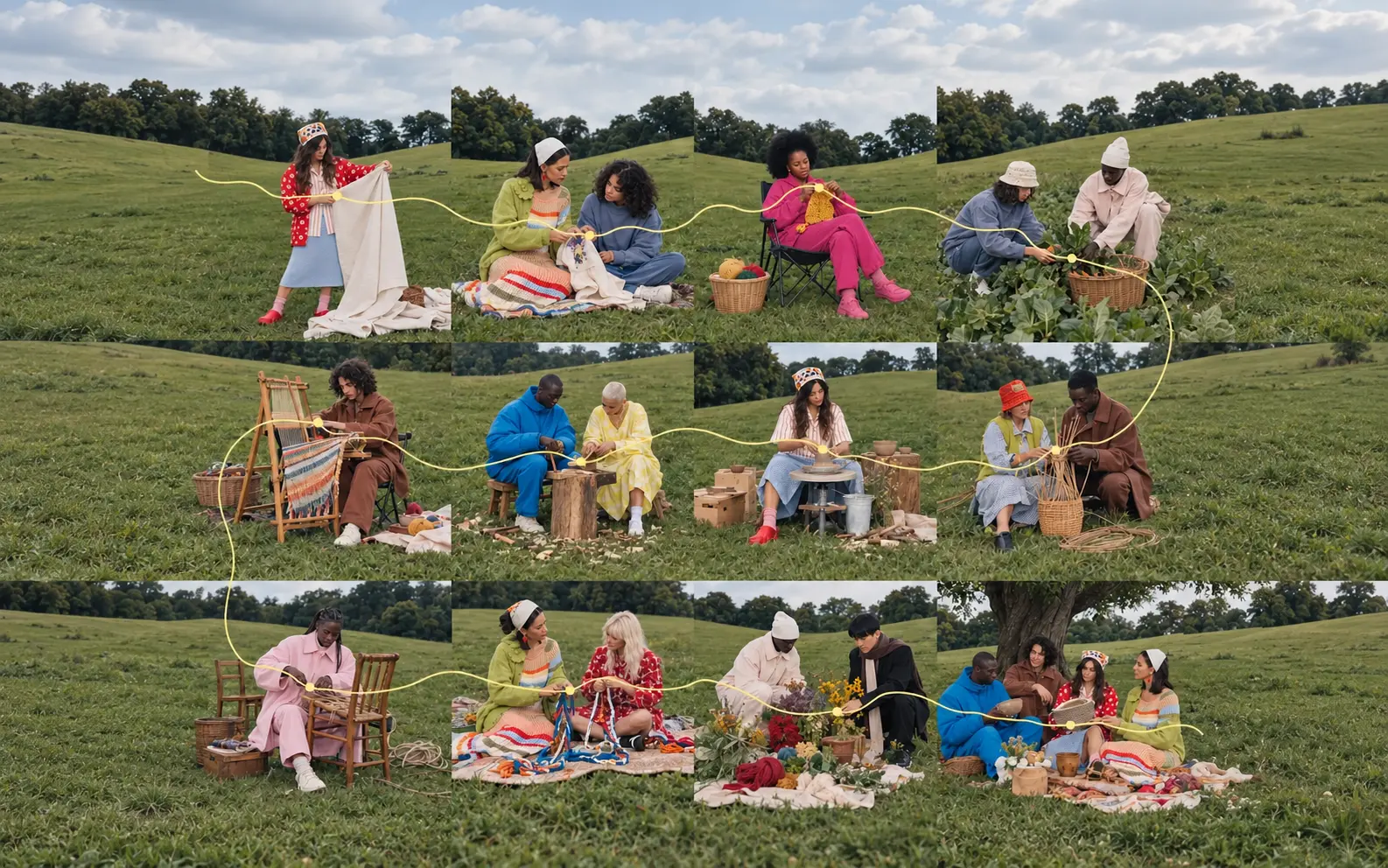
Transmission is the process through which knowledge and skill are learned, embodied, renewed and passed between practitioners and generations. It can occur through apprenticeship, teaching, observation, demonstration, supervised practice, oral instruction and participation in a community of practice.
The pathway fails when a course exists without a workshop, a qualification without active delivery, or a practitioner without time and income to teach. ACA maps the complete learning environment: people, places, equipment, materials, work and progression.
Material literacy, safe tool use and sustained making in schools, communities and public programs.
TAFE, university, workplace, studio, guild, family and community-based pathways with real access to materials and equipment.
Repeated productive work under experienced guidance—the time in which judgement, accuracy and material understanding develop.
Accessible recognition of prior learning and field-specific assessment for capability acquired through many legitimate routes.
Visible progression beyond entry competence through specialist practice, enterprise responsibility, leadership and master-level capability.
Funded apprenticeships, mentoring, succession and teaching that allow knowledge to be renewed and carried forward.
An endangered-crafts record needs more than a list of techniques. It must track practitioner and trainee numbers, workforce age, successors, access to teaching, workshops, machinery and materials, regional concentration, market conditions and the continuing work through which the capability remains viable.
Risk classifications should connect to action: master–apprentice programs, equipment access, material trials, documentation, commissions, succession and re-establishment of productive capability.
Advanced recognition must make technical capability, professional judgement, enterprise leadership and contribution to transmission visible. The point is not a ceremonial title; it is a pathway through which practitioners can deepen practice, lead production, train others and retain specialist capability in Australia.
Read the research architecture