Grow & recover
Wool, plant fibres, regenerative inputs, recovered material and place-based knowledge.
A research-and-production agenda connecting material, processing, design, manufacture, provenance and markets.

Australian material advantage is lost when fibre, processing, specialist skills, equipment, testing, design and procurement are treated separately.
Future Fibres maps those links as one capability system. Research becomes useful when it reaches the production floor; production becomes competitive when it can access research, design, verification and a clear market.
Wool, plant fibres, regenerative inputs, recovered material and place-based knowledge.
Scouring, sorting, decortication, carding and the specialist plant needed to ready fibre.
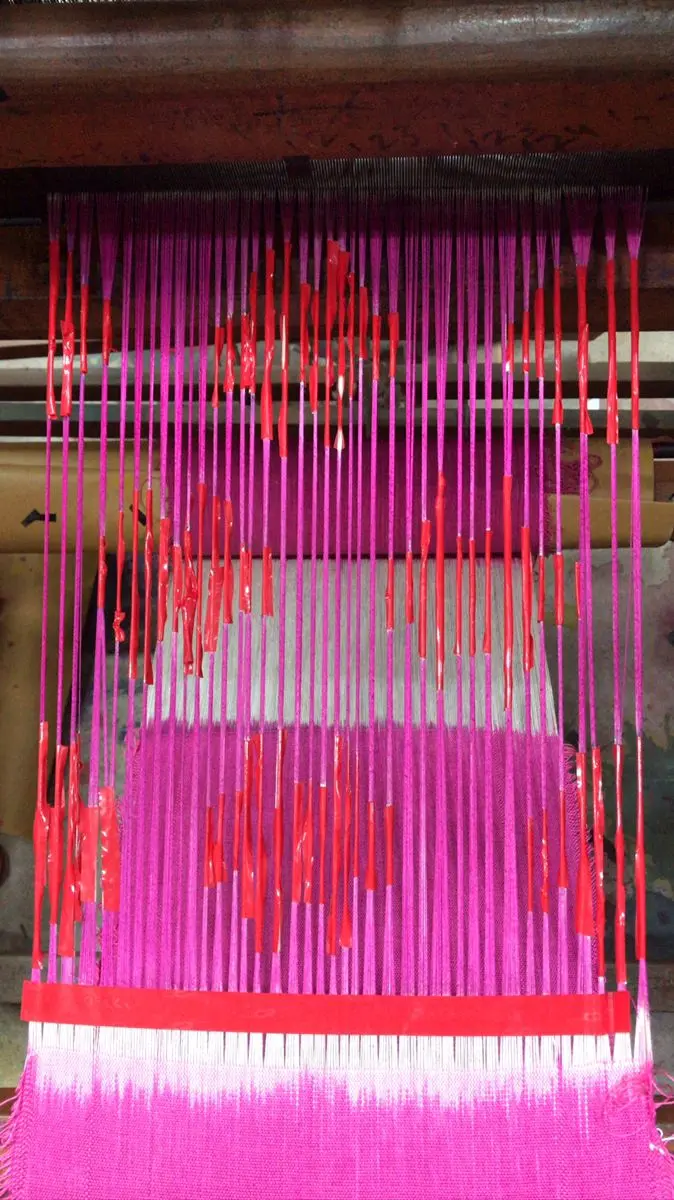
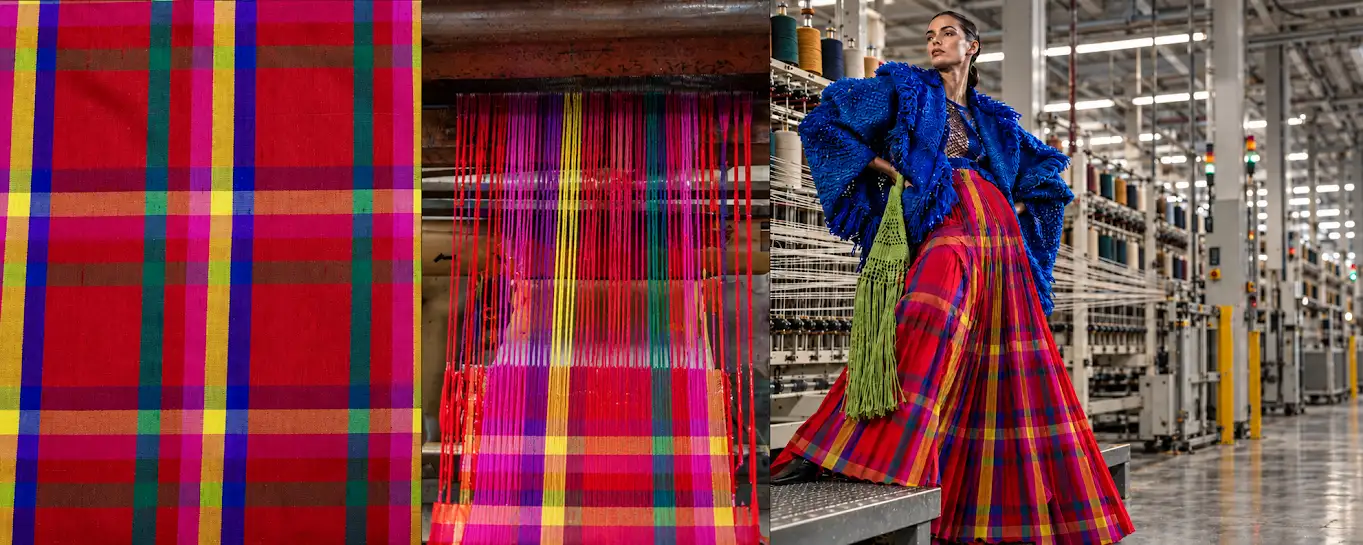
Spinning, weaving, knitting, felting, braiding, nonwovens and industrial structures.
Dye, finish, performance testing, certification, circularity and traceability.
Fashion, interiors, uniforms, technical textiles, product design and manufacturing.
Origin disclosure, procurement, Digital Product Passports and market access.

Universities and institutes bring material science, testing, design research and new technology. Growers, mills, manufacturers, makers and technicians hold the production knowledge that determines whether innovation can work at real scale.
The program is designed around shared facilities, trials, workforce capability, product development, procurement partners and routes to market—not speculative futurism.