Material
Fibre, timber, metal, stone, clay, glass, leather, paper and ingredients—with origin, quality and supply made visible.
Productive capability is the complete system needed to turn Australian material and know-how into a finished, testable, repairable product: people, skills, facilities, machinery, suppliers, research and demand.
Productive capability connects the capacity to source, process, form, test, finish, repair and sell a product reliably in Australia.
Craft processes may be manual, tool-assisted, digital or mechanical. What matters is whether learned human knowledge and consequential judgement materially influence the process or outcome—and whether the surrounding production chain remains available.
Fibre, timber, metal, stone, clay, glass, leather, paper and ingredients—with origin, quality and supply made visible.
The consequential stages at which practitioners transform, assemble, finish, test, repair or conserve material.
Workshops, mills, factories, kilns, furnaces, looms, laboratories, pilot plants, testing environments and specialist machinery.
Learned judgement, design, technical knowledge, cultural authority, data, standards and research capability.
Practitioner-led enterprise, collaborative production and advanced manufacturing in which human capability remains identifiable.
Procurement, trade, export, verified origin, product data, durability, repairability and demand capable of sustaining the system.
Craft × Technology
Applied innovation begins with a material or production problem and ends in usable capability: a tested fibre, a more efficient process, a repairable product, a verified source, a trained workforce or a viable manufacturing stage.
Universities, institutes and technology facilities contribute analysis, testing and experimentation. Practitioners, technicians and manufacturers determine whether the result works with real material, equipment, time and demand.
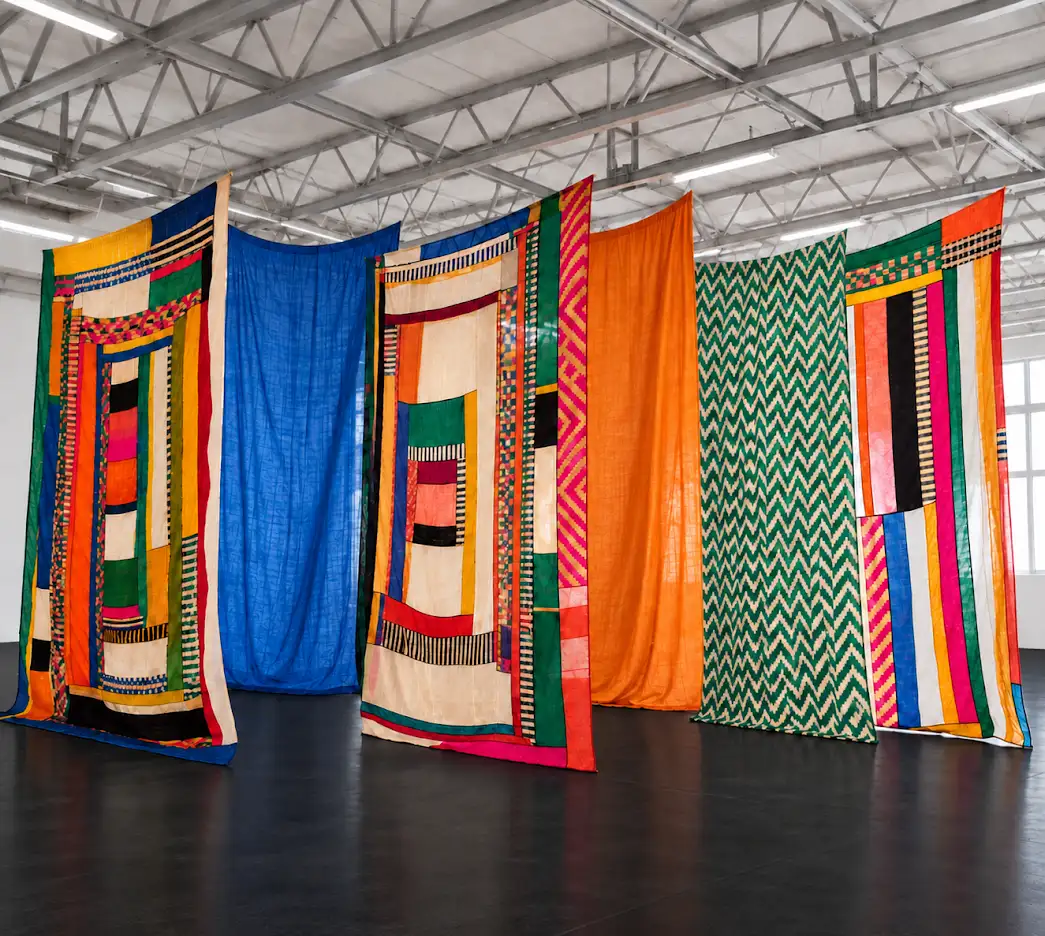
Future Fibres demonstratorProductive resilience depends on the stages in between: processing, tooling, maintenance, specialist machinery, skilled labour, testing, finishing, repair and continuing demand. Losing one intermediate stage can strand every asset on either side of it.
ACA’s work makes those dependencies visible across fibre and textiles, built heritage, timber and boatbuilding, metals, ceramics, glass, specialist foods and other material fields. Enterprise support then connects workspace, equipment, finance, collaboration, procurement, succession and markets to the stage of development a business has actually reached.